Children can grow their sense of self-efficacy when they practice useful hobbies early in life. Hobbies teach patience, problem solving, and creativity while giving kids a sense of progress. Parents and teachers can introduce simple activities that grow with a child’s abilities. When kids learn practical skills they gain tools they will use for years. They also discover interests that may turn into lifelong passions or careers. The key involves choosing hobbies that balance fun with real-world value so children stay motivated and curious as they learn.
Note: Although I am a Clinical Social Worker, engaging with this website does not establish a professional social worker-client relationship. The information provided here is for general purposes only and should not be considered professional advice. While we strive to ensure accuracy and reliability, this content is not a substitute for professional guidance. For specific concerns, issues, or situations, it is essential to consult a qualified professional and present your situation. Read the full Disclaimer here.
Build Practical Skills Through Hands-On Hobbies
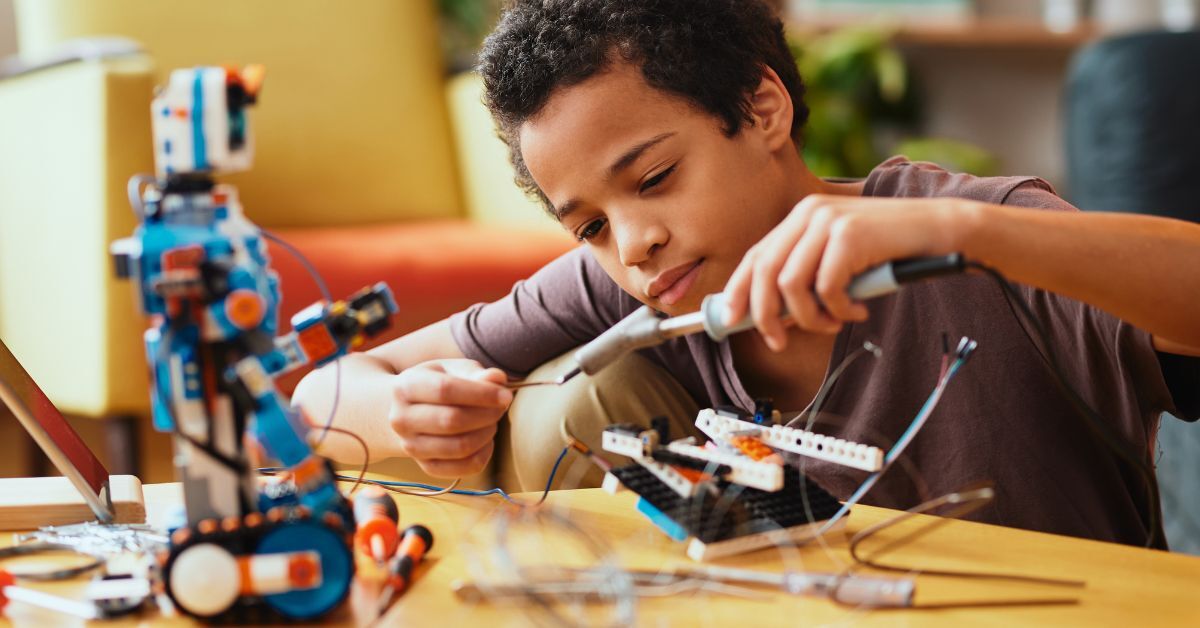
Hands-on hobbies help kids connect effort with results. Activities such as cooking, gardening, woodworking, and beginner sewing projects teach children how everyday objects come together.
Kids strengthen fine motor skills while they measure, cut, mix, or assemble materials.
They also practice planning because each step leads to a clear outcome. A child who plants vegetables learns responsibility through watering schedules and care routines.
A child who cooks learns how ingredients interact and how preparation affects flavor. These experiences build independence and sense of self-efficiency because kids see what their own work can create.
Encourage Creative Expression
Creative hobbies allow kids to explore ideas and communicate feelings. Drawing, music, crafting, and storytelling encourage imagination while strengthening focus.
Children experiment with colors, sounds, shapes, and words as they develop personal style.
Creative practice also teaches persistence because improvement requires repetition and patience.
When adults acknowledge effort instead of only the results or perfection kids feel safe to try new things and expand their abilities.
Helpful creative hobbies include:
- Sketching simple scenes from daily life
- Learning a musical instrument
- Building crafts from recycled materials
- Writing short stories or comics.
Develop Life Organization and Patience
Some hobbies teach structure and long-term thinking. Activities that require tracking progress help kids understand goals and responsibility.
Journaling, model building, coding, and chess all encourage careful thinking and steady improvement.
Kids learn to break large tasks into manageable steps and celebrate small wins along the way. These hobbies also train patience because meaningful results take time.
A child who tracks a project from start to finish develops discipline that supports academic success and personal growth.
How Parents Can Support Hobby Learning
Parents play an important role in helping kids stick with hobbies. Encouragement, curiosity, and patience create a positive learning environment.
Instead of pushing for perfect results, adults can ask questions about what a child enjoys or wants to improve. This approach keeps motivation strong and helps kids take ownership of their progress.
Parents can support hobbies in practical ways:
- Provide simple starter tools and materials
- Set aside regular time for practice
- Acknowledge effort and all improvements
- Let kids choose hobbies that interest them.
Supportive guidance helps hobbies grow into meaningful skills. Children who explore useful activities early often carry more self-assuredness into school, friendships, and future careers.
Latest Posts:
- How To Get Your Kids More Interested in Outdoor Hobbies

- Useful Hobbies That Kids Should Learn Early
- How To Help Cultivate Your Child’s Interests in Art

- The Bedroom Door: Why Privacy for Teens Isn’t Optional

- The Importance of Play in Child Development

- 5 Hobbies That Will Help You Connect With Your Teens

Final Thoughts On Useful Hobbies Kids Can Adopt Early
A hobby can start as a simple afternoon activity and develop into a powerful learning experience.
When kids build things, create art, solve problems, or care for living plants, they learn that effort leads to progress. That lesson strengthens resilience and curiosity for the rest of their lives.
Start small and adjust activities to match a child’s age and attention span. Shorter sessions can prevent frustration and help kids enjoy steady improvement.
Over time, children develop pride in what they make and learn. Consistent encouragement from adults turns hobbies into positive routines that support confidence, creativity, and responsibility.
These habits benefit kids for years and strengthen their daily motivation.
If you found this helpful, read also:





Leave a Reply