
There is no single set of rules that can tell you exactly how to respond to every situation you will encounter as you raise your child. Your child is an individual, your family has its own circumstances, and what your child needs from you will change as they grow. Still, having a framework can help…

How To Turn Professional Advice Into Everyday Parenting
As a parent you often receive guidance from many directions. Pediatricians, teachers, therapists, and other professionals may recommend changes that could support a child’s development or make family routines easier. Each recommendation can sound useful on its own, yet applying it at home may feel less straightforward. The challenge often begins after the appointment or…

How To Recognize Signs of Distress in Children
Children experience difficult emotions just as adults do, but they may not have the words or freedom to explain what they feel. Instead, emotional struggles often appear through changes in behavior, routines, or relationships. Learning how to recognize signs of distress in children can help you respond before problems become more disruptive. Paying attention to…

6 Ways Real Self-Care Can Change the Way You Parent
Parenting asks a lot from you. Your time. Your attention. Your patience. Your energy. And somewhere between school schedules, meals, work, appointments, household responsibilities, and everything your child needs from you, it can become very easy to stop asking yourself what you need. Many parents learn to put themselves last and call it being a…

How To Build a Bedtime Routine That Grows With Your Child
Bedtime needs change as children move through each stage of development. A baby may rely on feeding and close comfort, while an older child may want a story or a quiet conversation. Building bedtime habits that adapt as children grow gives families a familiar rhythm without holding onto routines that no longer fit. A steady…

What Parents Should Know About Fillings for Their Kids
Many parents know that since kids love sweets, this can also mean they can expect cavities and fillings. Dental fillings can feel like a small procedure to adults, but children may experience them as confusing, uncomfortable, or frightening. As a parent you set the emotional tone. When they respond with calm, clear information, and steady…

5 Skills and Values a Family Dog Can Teach Your Child
Has your child been begging you for a dog? Your first thoughts might be about vet bills, training, endless hair on the couch, and so forth. It’s true: Dogs are a lot of work, and you’re right to consider how adopting one will impact your lifestyle. That said, dogs also bring boundless love and energy…

How To Get Kids More Involved in School Activities
Many parents want their children to feel excited about school and connected to their community. When kids take part in activities, they build a sense of competency, form friendships, and develop important life skills. You can play a big role in helping your child find that sense of belonging by encouraging participation in ways that…

How To Help Your Kids Sleep Through the Night
You tuck them in, you read one more chapter, you answer one more question, and you finally sit down. Then you hear footsteps in the hallway. If your child wakes up every night, you start bracing for bedtime. You also start the next day already tired, which makes everything feel harder. Helping your kids sleep…

How To Get Your Kids More Interested in Outdoor Hobbies
Many parents want their children to spend more time outside, yet screens and packed schedules often compete for attention. If you feel frustrated or worried about that balance, you are not alone. Kids often need encouragement, structure, and a little creativity before outdoor hobbies start to feel exciting. When you approach the process with patience…
Useful Hobbies That Kids Should Learn Early
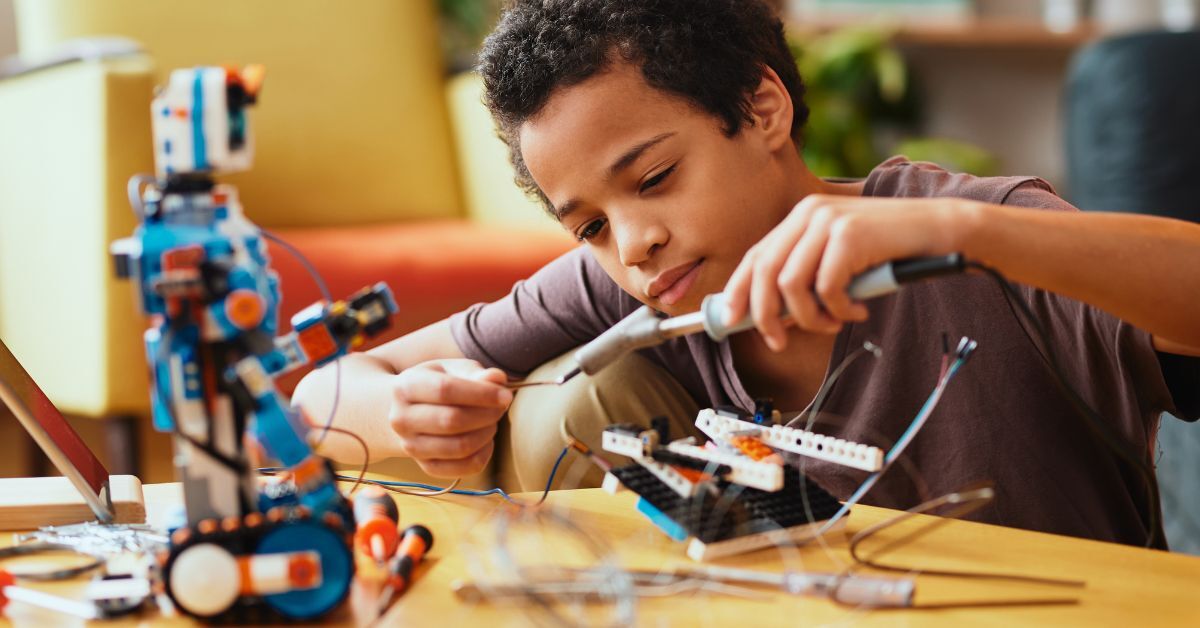
Children can grow their sense of self-efficacy when they practice useful hobbies early in life. Hobbies teach patience, problem solving, and creativity while giving kids a sense of progress. Parents and teachers can introduce simple activities that grow with a child’s abilities. When kids learn practical skills they gain tools they will use for years….
- 1
- 2
- 3
- …
- 11
- Next Page »