Every child holds a universe of creativity within them. As a parent, you have the unique opportunity to help them discover and explore it. Nurturing an interest in art expands upon teaching them basic drawing and painting skills. It’s about giving them a language to express their feelings, ideas, and perspectives.

Nutrturing a child’s love for art
This journey can also become a powerful way to strengthen your family bonds and improve your relationships. It starts with acknowledging your own role and your family’s unique circumstances.
This post has affiliate links which means that we make a commission from qualifying purchases at no additional cost to you. For more information read our Affiliate disclosure.
Note: Although I am a Clinical Social Worker, engaging with this website does not establish a professional social worker-client relationship. The information provided here is for general purposes only and should not be considered professional advice. While we strive to ensure accuracy and reliability, this content is not a substitute for professional guidance. For specific concerns, issues, or situations, it is essential to consult a qualified professional and present your situation. Read the full Disclaimer here.
Start with Acceptance, Not Expectation
The first step in cultivating your child’s artistic interest is to create a judgment-free zone.
This requires personal accountability. We must check our own expectations at the door. Do we see their art as a future career, or as a joyful process of discovery?
By accepting their creations as expressions of their inner world, you build trust.
Let them make a mess. Let them mix colors that “don’t go together.”
When you praise the effort and joy they find in the process, rather than just the final product, you teach them that their feelings, tries, and ideas have value.
This approach helps heal and improve your connection, as it shows your child they are truly accepted.
Art also serves as a powerful bridge for communication, especially during times when words might fail. For children, it can lead to better emotional regulation and self-awareness.
Create an Environment of Inspiration
You don’t need a dedicated art studio to foster creativity. Simple changes to your home environment can make a big difference.
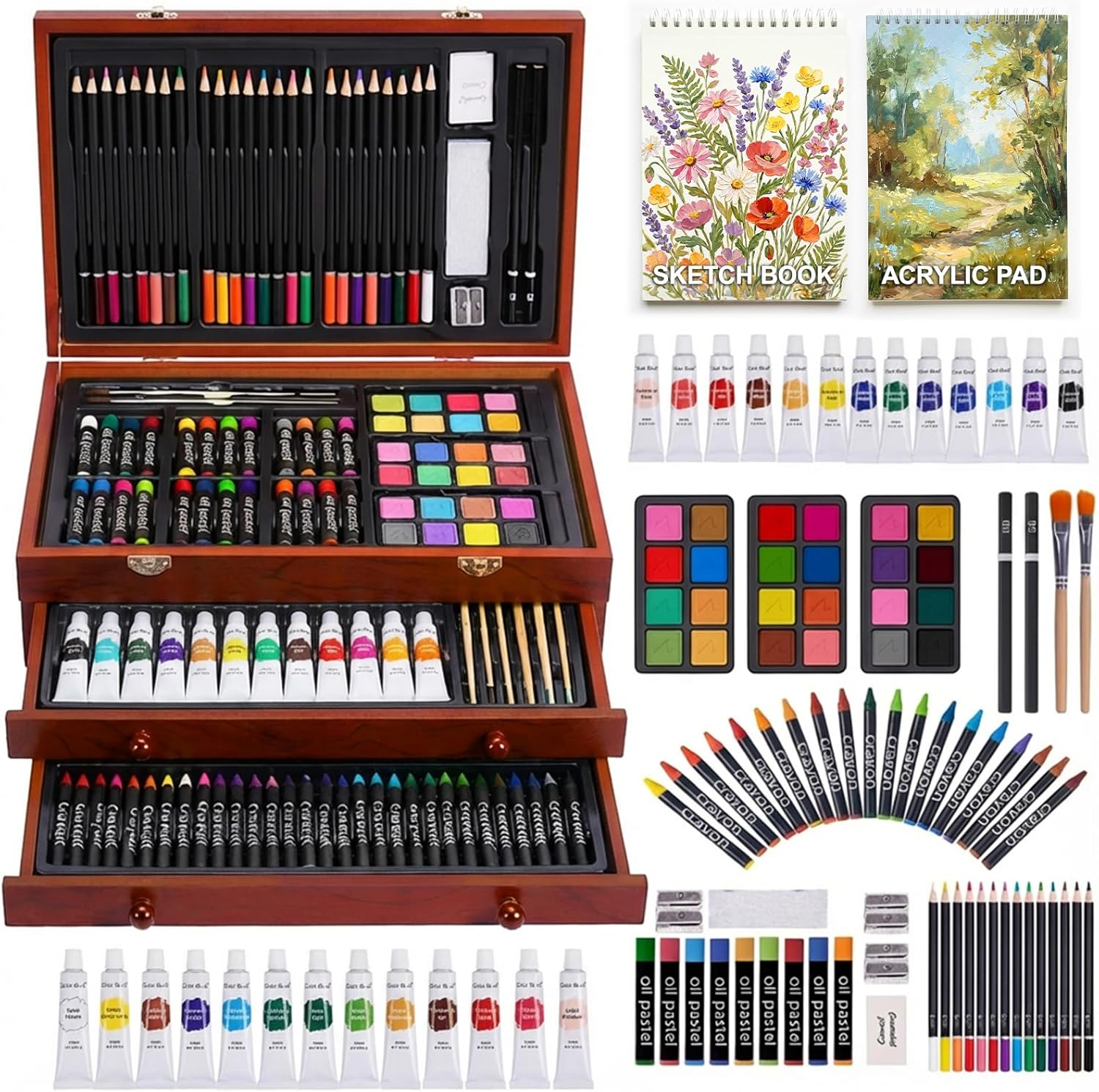
Designate a small corner or a box with accessible art supplies like crayons, paper, chalk, and modeling clay. The goal is to make creativity an easy choice.
Inspiration can also come from outside the home. Visiting local museums, galleries, or even just looking at public murals can expose your child to different forms of art.
Talk about what you see together. Ask open-ended questions like:
- “What do you think the artist was feeling?” or
- “What does this piece make you think of?”.
This models curiosity and shows that art is a conversation.
As they get older, this can even grow into a shared hobby, such as studying emerging contemporary art together.
Embrace Art as a Family Activity
Art can be a powerful tool for connection within your specific family dynamic. Life gets busy, and circumstances can be challenging, but shared creative time can be an anchor.
Spend an afternoon painting rocks for the garden or making holiday decorations. When you create alongside your child, you become a fellow explorer into their passions and hobbies.
This shifts the dynamic from authority to partnership. It’s an opportunity to be present, listen, and learn about your child through their creative choices.
By taking personal accountability for the quality of your time together, you actively build a more supportive family life.
Latest Posts:
- How To Get Your Kids More Interested in Outdoor Hobbies

- Useful Hobbies That Kids Should Learn Early

- How To Help Cultivate Your Child’s Interests in Art

- The Bedroom Door: Why Privacy for Teens Isn’t Optional

- The Importance of Play in Child Development

- 5 Hobbies That Will Help You Connect With Your Teens

Funal Thoughts on Helping a Child Grow Love for Art
Ultimately, fostering a love for art is about nurturing your child’s good spirit.
It’s about providing the space, tools, and encouragement for them to express who they are.
In doing so, you’re raising a centred, expressive, and emotionally aware individual.
If you found this helpful, check out:





Leave a Reply