As a parent, one of your most meaningful responsibilities is nurturing your child’s growth in various ways. While it’s easy to focus on tracking milestones, you also need to recognize the importance of play in child development.
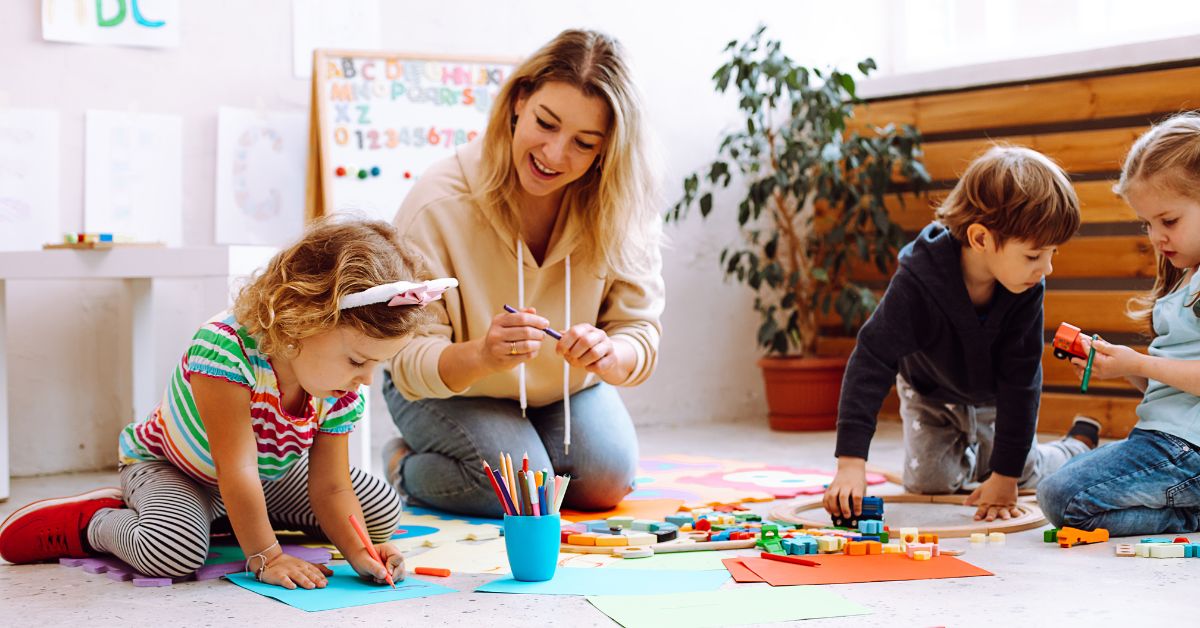
HOW IMPORTANT IS PLAY FOR CHILD DEVELOPMENT?
Creating time and space for play means giving your child what they need to thrive, and opportunities to learn, connect, and grow in a joyful, supportive environment. When you encourage play, you reinforce your child’s sense of wonder and curiosity, helping them build the foundation for lifelong learning too.
Note: Although I am a Clinical Social Worker, engaging with this website does not establish a professional social worker-client relationship. The information provided here is for general purposes only and should not be considered professional advice. While we strive to ensure accuracy and reliability, this content is not a substitute for professional guidance. For specific concerns, issues, or situations, it is essential to consult a qualified professional and present your situation. Read the full Disclaimer here.
Nurturing Emotional Growth Through Play
Play provides a safe space for your child to explore and express complex emotions they may not have words for yet or room for, due to any reason. Through make-believe, they can process feelings of joy, frustration, or fear in a secured environment.
When you join them in their world of play, you show them their feelings are valid and important, and this shared experience builds a deep sense of security and trust.
Your participation validates their emotional landscape and strengthens your connection. These small but powerful moments help your child feel understood and supported, as they face new situations and challenges.
Building Social Skills and Connection
Play is one of your child’s social laboratoried, where they learn the delicate art of getting along with others. It teaches them skills like sharing, taking turns, and navigating disagreements with grace. This environment is where they learn to understand different perspectives and develop empathy for those around them.
Engaging in collaborative games helps them see the value of teamwork and communication, try foosball as it can easily bring people together. These moments of shared joy and friendly competition are fundamental for building supportive relationships within the family and beyond.
Family playtime also becomes a cherished tradition that lays the groundwork for a positive and open family culture, making your child feel more comfortable expressing themselves.
Fueling Cognitive Development and Problem-Solving
Beyond the emotional and social benefits, play is a powerful engine for cognitive growth. It encourages curiosity, sparks imagination, and builds critical problem-solving skills that will serve them throughout their lives.
When children build with blocks, solve a puzzle, or create a story, they are actively learning to think creatively and overcome challenges.
This unstructured learning can develop perseverance and a love for discovery. You are nurturing their ability to think independently and adapt to new situations.
Encouraging and facilitating play enables you to equip your child with the intellectual tools they need to navigate the world confidently.
These experiences also stimulate language development and logical thinking, skills necessary in school, and throughout their life journey.
Latest Posts:
- How To Help Cultivate Your Child’s Interests in Art

- The Bedroom Door: Why Privacy for Teens Isn’t Optional

- The Importance of Play in Child Development

- 5 Hobbies That Will Help You Connect With Your Teens

- A Guide to Balancing Parenting Roles After Divorce

- Gifts for Your Teenager That They’ll Actually Enjoy

Ready to Play Your Part?
As you consider the many ways to nurture your child, remember that the importance of play in child development supports their growth, joy, and strength to help your child reach full potential.
Embracing the power of play means giving your child the gift of learning, healing, and meaningful relationships, and there is perhaps no greater legacy a parent can offer.





Leave a Reply