Personal development is often presented as something that happens entirely within you. You work on your habits, change your routines, develop new skills, and become more aware of how you respond to different situations. But the environment in which you live and work also affects how you function. Lighting is a simple example. It can influence how easily you concentrate, how comfortable you feel, how alert you are during the day, and how your body prepares for sleep. This does not mean that changing your lighting will suddenly change your mood or productivity. It means that the conditions around you can either support what you are trying to do or make certain things unnecessarily difficult.
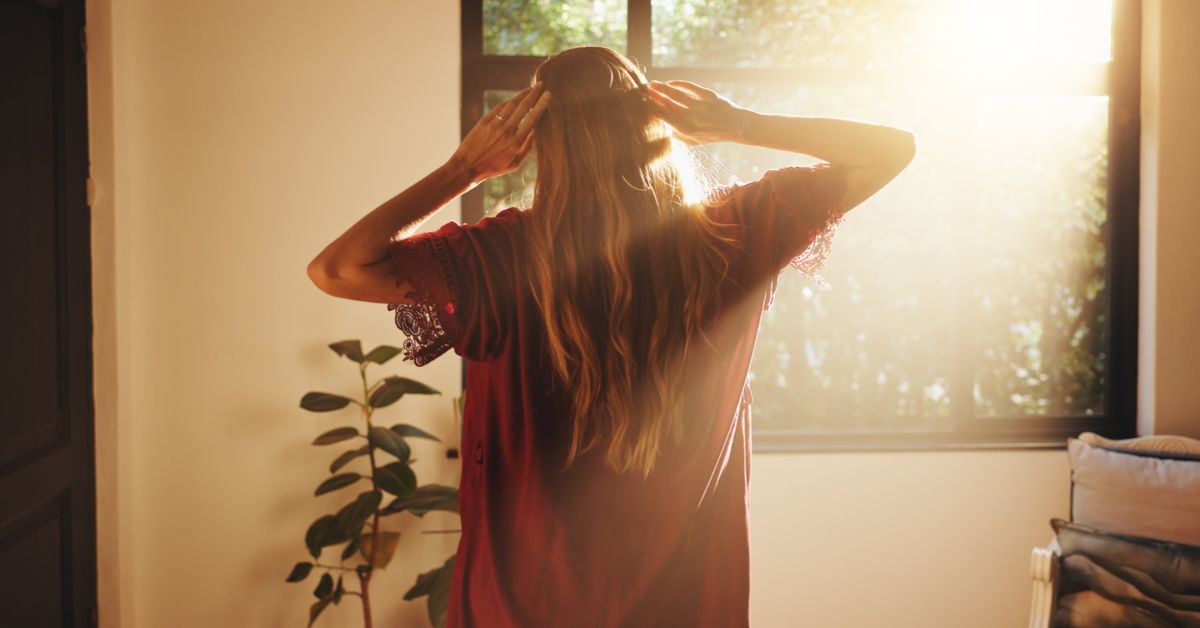
How Lighting Affects the Way You Function Every Day
You do not need to redesign your surroundings to benefit from this idea. Sometimes, becoming more aware of what your environment is doing to you is already a useful step.
This post has affiliate links which means that we make a commission from qualifying purchases at no additional cost to you. For more information read our Affiliate disclosure.
Note: Although I am a Clinical Social Worker, engaging with this website does not establish a professional social worker-client relationship. The information provided here is for general purposes only and should not be considered professional advice. While we strive to ensure accuracy and reliability, this content is not a substitute for professional guidance. For specific concerns, issues, or situations, it is essential to consult a qualified professional and present your situation. Read the full Disclaimer here.
Your Environment Can Affect How You Function
Think about a task you regularly find difficult. Maybe you struggle to concentrate when working from home, feel restless late at night, or become physically uncomfortable after spending hours reading or looking at a screen.
It is natural to look first at your own behavior. Do you need more discipline? Should you manage your time differently? Do you need a better routine?
Those questions can be useful, but they are not the only ones worth asking.
Your surroundings matter too. Noise, temperature, physical comfort, and lighting can all affect the conditions in which you are trying to function.
Lighting is particularly interesting because it is something you encounter throughout almost every part of your day.
Lighting Can Affect Your Ability to Focus
Have you ever found it harder to concentrate in a room that is poorly lit?
When there is not enough illumination, your eyes may have to work harder to distinguish details. This can make activities such as reading, writing, working at a computer, or completing detailed tasks less comfortable.
At the same time, brighter is not always better. Excessive brightness or glare can become distracting and make it harder to comfortably focus on what is in front of you.
The goal is not to create the brightest possible environment. It is to create one that gives you enough visibility for the activity you are actually doing.
A desk lamp, for example, can provide additional illumination without requiring the entire room to be brightly lit. Positioning the light so that it illuminates your workspace without shining directly into your eyes can also make a difference.
This is a useful reminder when thinking about personal development: sometimes the question is not simply, “How can I make myself concentrate better?” It can also be, “What conditions would make concentration easier?”
Lighting Can Influence How You Feel
Your surroundings do not determine your emotional state, but they can contribute to the way you experience a space.
Lighting is one part of that environment.
Warm lighting often creates a softer, more relaxed atmosphere, while cooler lighting can make a space feel more alert and energetic. Natural daylight also plays an important role in the body’s internal clock, which helps regulate sleep and daily alertness.
This is one reason the same room can feel completely different at different times of day.
Rather than expecting one lighting arrangement to work for everything, consider what you are doing and how you want the space to support that activity.
A softer environment may suit an evening spent relaxing, while brighter task lighting may be more useful when you need to concentrate.
The point is not to manipulate your emotions through lighting. It is to become more intentional about the conditions surrounding you.
Comfortable Lighting Can Reduce Unnecessary Eye Strain
Spending hours reading or looking at screens can leave your eyes feeling tired. Lighting conditions can contribute to that discomfort.
For example, working in a dark room while looking at a bright computer screen creates a strong contrast between the screen and its surroundings. Poorly positioned lights can also create glare that makes it harder to see comfortably.
Balancing the brightness of your workspace can make nearby objects easier to see and reduce unnecessary visual discomfort.
Of course, lighting is not the only factor involved in eye strain. Taking regular breaks and giving your eyes a chance to rest remain important.
Your Environment Also Affects Safety
Personal development is not only about productivity or achieving goals. Being able to move through your everyday environment safely and comfortably matters too.
Good visibility helps you notice obstacles and changes in your surroundings before they become problems. This becomes particularly important around stairs, hallways, entrances, and other areas where people move frequently.
Poor lighting can make everyday hazards more difficult to see, particularly for older adults or people with limited vision.
Simple environmental changes can improve visibility where it is needed most. These might include motion-activated lighting near entrances or stairs, under-cabinet lighting in areas where you prepare food, nightlights along frequently used hallways, or outdoor lighting around uneven walking surfaces.
You do not need to keep every light on all the time. The goal is to provide adequate visibility where and when it matters.
Light and Your Daily Sleep-Wake Rhythm
Your body responds to changes in light throughout the day.
Bright light in the morning helps reinforce your natural sleep-wake cycle, while exposure to bright light late in the evening can interfere with the body’s preparation for sleep.
This makes lighting relevant to something that is central to personal development: your daily routines.
Opening your curtains in the morning can help you get more natural daylight. As evening approaches, gradually lowering indoor brightness can help create a clearer transition toward bedtime.
You may also find it useful to use warmer, dimmer lighting during evening activities and reduce exposure to particularly bright screens before going to sleep.
None of these changes guarantees better sleep. But your environment can either work with your routines or work against them.
Lighting Matters in Workplace Environments
The relationship between lighting and everyday functioning does not stop at home. In fact, even the lighting in commercial spaces can influence how comfortably employees complete their responsibilities.
Offices, warehouses, retail environments, and other commercial spaces also need lighting that corresponds to the activities taking place there. Employees need sufficient visibility to read instructions, complete detailed tasks, operate equipment, and recognize potential hazards.
Poorly positioned fixtures can create shadows or glare that interfere with these activities.
For this reason, businesses can benefit from evaluating lighting according to the tasks employees actually perform rather than assuming that identical lighting throughout an entire building will work equally well everywhere.
Different work areas may require different levels of illumination and different fixture arrangements.
This is another example of a broader principle: the conditions in which people are expected to function matter. Whether the setting is a home office or a commercial workplace, the environment can either support the task or introduce unnecessary obstacles.
Different Activities Require Different Lighting
One lighting arrangement rarely works equally well for every activity.
Reading may require focused illumination, while watching television may feel more comfortable with softer background lighting. Detailed crafts or other close-up activities may require more light than a conversation with friends.
Instead of automatically increasing brightness throughout a room, consider what you are actually doing in that space.
Adjustable fixtures can give you more control, while dimmer switches allow you to change brightness according to the activity and time of day.
This is a small example of a larger habit that can be useful in many areas of life: pay attention to what the situation actually requires instead of assuming that one approach should work for everything.
Here’s something to support your efforts:
Enjoying Stylish Curtains That Support Relaxation (with 85% Light Filtering and 60% Noise Reduction)
Consider the Zoe Natural Linen Curtains from Lustrowin for any space to truly elevated the ambiance. The natural linen fabric not only reduces outside noise, creating a more peaceful environment, but also filters light beautifully, softening the room without darkening it.
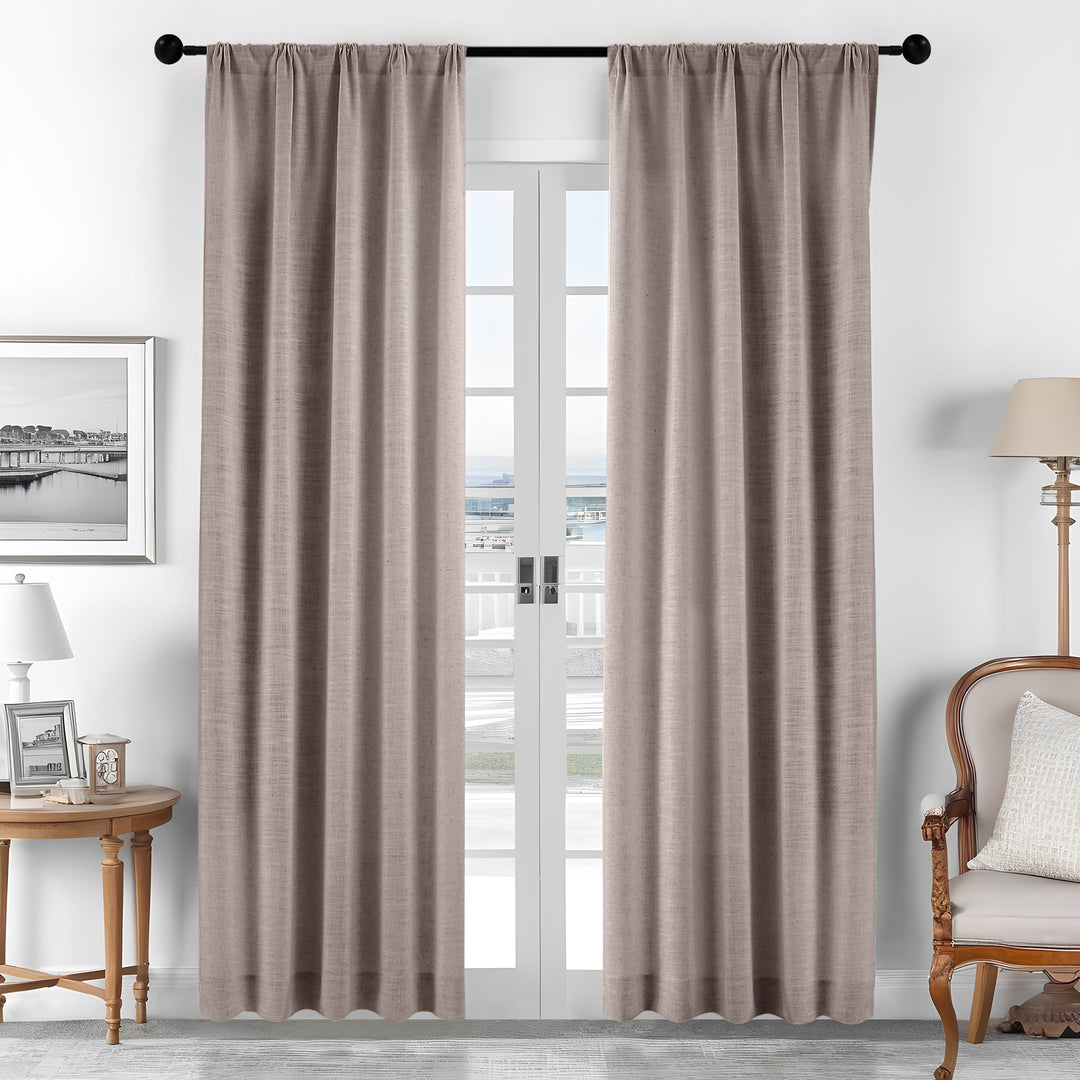
Lustrowin is known for offering custom curtains tailored to consumer’s needs, with a quick and efficient process and affordable pricing. Their clean, elegant design adds a touch of sophistication that complements various interior styles effortlessly.
The brand highlights natural materials in their products, such as durable bamboo Roman shades and curtains made from a luxurious, long-lasting blend of bamboo, linen, and rayon.
Natural Light Can Support Your Daily Rhythm
Natural light provides changing levels of illumination throughout the day and can help reinforce your body’s daily rhythms.
Opening blinds or curtains during daylight hours can also reduce your reliance on artificial lighting. At the same time, direct sunlight can create excessive heat or glare, particularly when you are working at a computer.
Adjustable window coverings can help you manage these competing needs while still allowing natural light into your space.
You might also consider where you place the areas you use most often. When practical, positioning a reading chair, desk, or another frequently used space near a source of natural light can make daylight a more natural part of your routine.
The goal is not to maximize natural light at all times. It is to notice how your environment changes throughout the day and use those changes to your advantage.
Your Surroundings Can Change How You Experience a Space
Lighting does more than help you see. It can change how a space feels and how easily you can use it.
The same room can appear very different depending on brightness, color temperature, and where light is positioned.
A single overhead fixture, for example, may leave some areas of a room noticeably darker. Several smaller sources of light can sometimes create more balanced illumination without requiring significantly more brightness.
Before making major changes, pay attention to what is already there. Moving an existing lamp or changing how you use a particular part of the room may solve a problem you thought required something new.
This is another reason awareness matters. You cannot adjust something you have not noticed.
You Do Not Have to Change Everything
Improving the way your environment supports you does not require a complete redesign.
Start by noticing where lighting regularly creates a problem.
Is there a part of your home where you struggle to read? Do you become uncomfortable while working at your desk? Is your bedroom still brightly lit when you are trying to wind down? Are there areas where poor visibility makes everyday movement more difficult?
Once you identify the problem, you can make a relatively small adjustment.
You might reposition a lamp, change the lighting around a workspace, make better use of daylight, or create a softer transition between daytime and bedtime.
The point is not to create a perfect environment. It is to stop assuming that every difficulty is something you need to solve by changing yourself.
Sometimes, the more useful question is: What can I change about the conditions around me?
Latest Posts:
- How Lighting Affects the Way You Function Every Day

- Practical Ways to Keep Family Life More Organized

- The Pros and Cons of Multigenerational Living

- Essential Parenting Guidelines (Principles to Guide Your Parenting)

- How To Turn Professional Advice Into Everyday Parenting

- Making Your Divorce a Less Complicated Process

Final Thoughts On How Lighting Affects the Way You Function Every Day
Lighting is only one example, but it illustrates an important part of personal development. The way you function is shaped not only by your intentions, habits, and choices, but also by the environment in which those choices take place.
Paying attention to that relationship can help you create surroundings that support your routines, your comfort, your attention, and the way you want to move through your day.
If you found this helpful, check out also:






Leave a Reply