As dogs get older, their needs start to change. Your once-energetic companion might spend more time sleeping, struggle with stairs, or move a little slower during walks. While aging comes with challenges, you can make plenty of adjustments to help your dog stay comfortable. Small changes around your home and a little extra attention to their daily routine can make a significant difference. Understanding how to keep an older dog more comfortable allows you to support their changing needs without sacrificing the activities they still enjoy.
Keeping an Older Dog More Comfortable
Note: Although I am a Clinical Social Worker, engaging with this website does not establish a professional social worker-client relationship. The information provided here is for general purposes only and should not be considered professional advice. While we strive to ensure accuracy and reliability, this content is not a substitute for professional guidance. For specific concerns, issues, or situations, it is essential to consult a qualified professional and present your situation. Read the full Disclaimer here.
Invest in a Supportive Dog Bed
Older dogs often experience joint stiffness and muscle discomfort, especially after resting for long periods. A supportive dog bed can help reduce these issues by providing a comfortable place to sleep.
Look for orthopedic beds that feature pressure-relief foam padding to distribute your dog’s weight more evenly. Quality foam supports aging joints and helps prevent uncomfortable pressure points.
Consider your dog’s sleeping habits when choosing a bed. Some dogs prefer stretching out, while others enjoy curling up against raised edges. Make sure the bed offers enough room for natural movement.
Make Their Favorite Spaces Accessible
Your dog shouldn’t have to struggle to reach their favorite resting spots. As mobility decreases, everyday obstacles can become frustrating or even dangerous.
Consider adding ramps near furniture your dog regularly uses. Pet stairs might work for smaller dogs, although ramps generally offer better support for dogs with joint problems.
Keep essential items on the same floor whenever possible. Reducing unnecessary stair climbing helps protect aging joints and prevents accidents.
Keep Floors Safe and Comfortable
Slippery flooring creates challenges for senior dogs, particularly those experiencing weakness or arthritis. Hardwood and tile surfaces can make walking difficult when paws struggle to maintain traction.
Place nonslip rugs along frequently traveled routes throughout your home. Focus on hallways and areas near food bowls.
Choose rugs with secure backing so they stay in place. You can also use traction mats around your dog’s bed to make standing easier.
Adjust Their Exercise Routine
Regular exercise remains important as dogs age, but older dogs often need shorter activities that place less stress on their bodies.
Instead of taking one long walk, consider several shorter outings throughout the day. These sessions allow your dog to remain active without becoming exhausted.
Pay attention to signs of discomfort, including limping or reluctance to continue walking. Let your dog establish a comfortable pace rather than encouraging unnecessary exertion.
Gentle movement helps maintain muscle strength and supports joint flexibility.
Maintain a Healthy Body Weight
Extra weight places additional stress on aging joints and can make existing mobility problems worse. Maintaining a healthy weight helps your dog move more comfortably.
Ask your veterinarian to evaluate your dog’s body condition and recommend appropriate daily portions.
Avoid dramatically reducing food without professional guidance. Senior dogs still need adequate nutrition to maintain muscle mass and support overall health.
Schedule Regular Veterinary Visits
Senior dogs benefit from more frequent veterinary evaluations because age-related conditions can develop gradually.
Your veterinarian may recommend wellness appointments every six months, depending on your dog’s health.
These visits help identify issues such as arthritis, dental disease, or changes in organ function before symptoms become severe.
You can discuss any changes in appetite or behavior during appointments. Even subtle differences can provide important information about your dog’s comfort.
Create a Comfortable Sleeping Environment
Older dogs often sleep more than younger animals, making their sleeping environment especially important.
Choose a quiet location away from heavy household traffic. Your dog could use peaceful to rest without constant interruptions.
Keep the sleeping area at a comfortable temperature. Senior dogs may struggle with extreme heat or cold, particularly when health conditions affect their ability to regulate body temperature.
Avoid placing beds directly beside drafty doors or heating vents.
Make Mealtimes Easier
Eating should remain enjoyable even when your dog experiences mobility challenges.
Some older dogs struggle to maintain comfortable positions while eating. Consider whether adjusting bowl placement could help.
A veterinarian can recommend an appropriate feeding setup based on your dog’s size and physical condition.
You should also monitor chewing habits. Dental discomfort can make eating difficult, especially when dogs develop gum disease or damaged teeth.
Contact your veterinarian if your dog suddenly avoids hard food or shows signs of mouth pain.
Support Their Mental Well-Being
Physical comfort matters, but mental stimulation also contributes to your senior dog’s quality of life.
Older dogs still enjoy activities that encourage curiosity and engagement. You simply need to adjust those activities to match their abilities.
Consider introducing gentle enrichment opportunities, such as:
- Puzzle feeders that encourage slow problem-solving
- Short training sessions featuring familiar commands
- Sniffing games using hidden treats
- Interactive toys that require minimal physical effort
- Relaxed outdoor exploration in familiar environments
Keep activities brief and enjoyable. Stop whenever your dog shows frustration or fatigue.
Help With Grooming and Hygiene
Aging dogs sometimes struggle to groom themselves effectively, especially when stiffness limits their flexibility.
Regular brushing removes loose fur and helps prevent uncomfortable tangles. It also gives you opportunities to check for unusual lumps or skin irritation.
Keep nails at an appropriate length because overgrown nails can interfere with walking and increase slipping risks.
Pay attention to sensitive areas and use gentle handling during grooming sessions.
Watch for Signs of Chronic Pain
Dogs don’t always communicate discomfort through obvious whining or crying. Many senior dogs show subtle behavioral changes instead.
Watch for hesitation before jumping, difficulty standing, or reduced interest in activities.
Some dogs become unusually irritable when pain interferes with their daily routine.
Appropriate treatment may involve medication or rehabilitation exercises.
Never give your dog human pain medication without veterinary instructions. Certain medications can cause serious complications.
Establish a Predictable Daily Routine
Consistency helps senior dogs feel secure, especially when aging affects their vision or cognitive abilities.
Try maintaining regular schedules for feeding and bathroom breaks. Familiar routines reduce confusion and help dogs anticipate daily activities.
Avoid rearranging furniture unnecessarily if your dog struggles with vision.
Provide additional bathroom opportunities when needed. Older dogs sometimes experience reduced bladder control or difficulty reaching the door quickly.
Protect Them From Extreme Weather
Older dogs can become uncomfortable during temperature changes, particularly when arthritis or chronic illness affects their mobility.
During cold weather, consider a properly fitting coat for dogs that need additional warmth. Keep outdoor trips shorter when temperatures become uncomfortable.
In hot weather, provide shade and fresh drinking water. Avoid exercising during the hottest parts of the day.
Monitor your dog’s breathing and energy levels whenever outdoor conditions become challenging.
Give Them More Attention and Patience
Senior dogs often need additional reassurance as their physical abilities change.
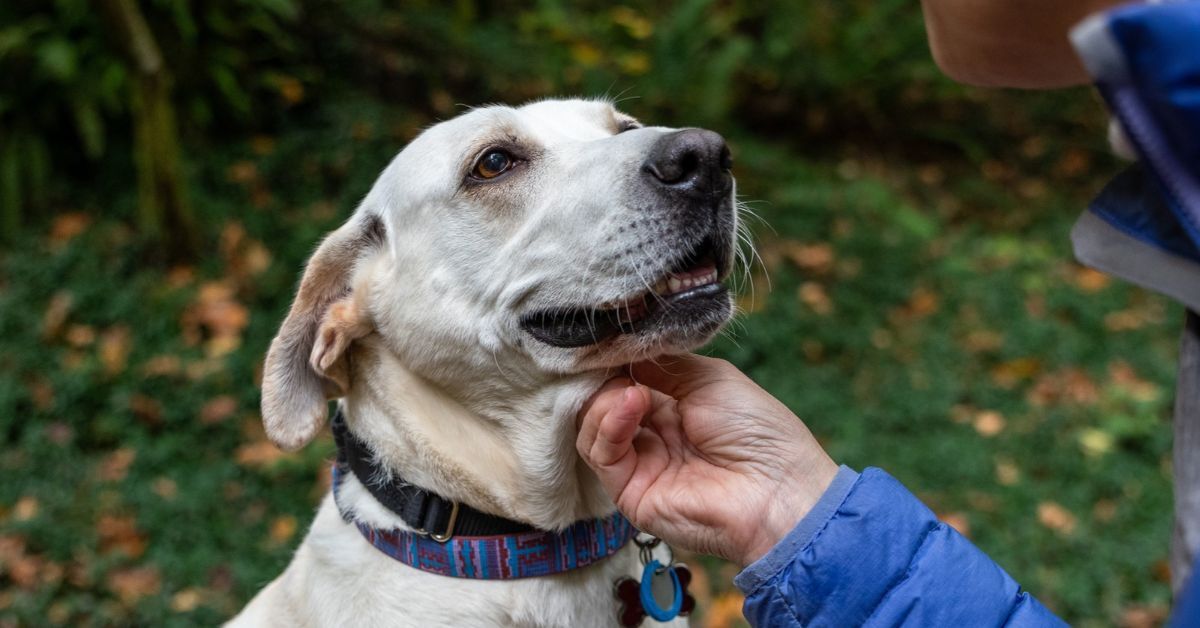
Spend time enjoying quiet activities together, including gentle petting or relaxing nearby.
Avoid rushing your dog when they move slowly. Allow extra time for getting outside or settling into comfortable positions.
Continue including your dog in family activities whenever possible. Social interaction helps prevent isolation and supports emotional well-being.
Focus on Their Individual Needs
Every senior dog ages differently. Some remain active well into their later years, while others need substantial adjustments much earlier.
Pay attention to your dog’s preferences and physical limitations rather than assuming every older dog needs identical care.
Work with your veterinarian to address developing concerns and adjust your approach as circumstances change.
Latest Posts:
- How To Keep an Older Dog More Comfortable
- How Lighting Affects the Way You Function Every Day

- Practical Ways to Keep Family Life More Organized

- The Pros and Cons of Multigenerational Living

- Essential Parenting Guidelines (Principles to Guide Your Parenting)

- How To Turn Professional Advice Into Everyday Parenting

Final Thoughts on Keeping an Older Dog Comfortable
Keeping an older dog comfortable involves understanding their needs and making thoughtful improvements to everyday life.
With supportive surroundings and consistent attention, you can help your companion enjoy their senior years with greater comfort and confidence.
If you found it helpful, check out also:






Leave a Reply